Write-Ahead Logging (WAL) in Production: Under the Hood
Deep-dive into SQLite transaction durability, lock-free concurrent readers, and checkpointing strategies.
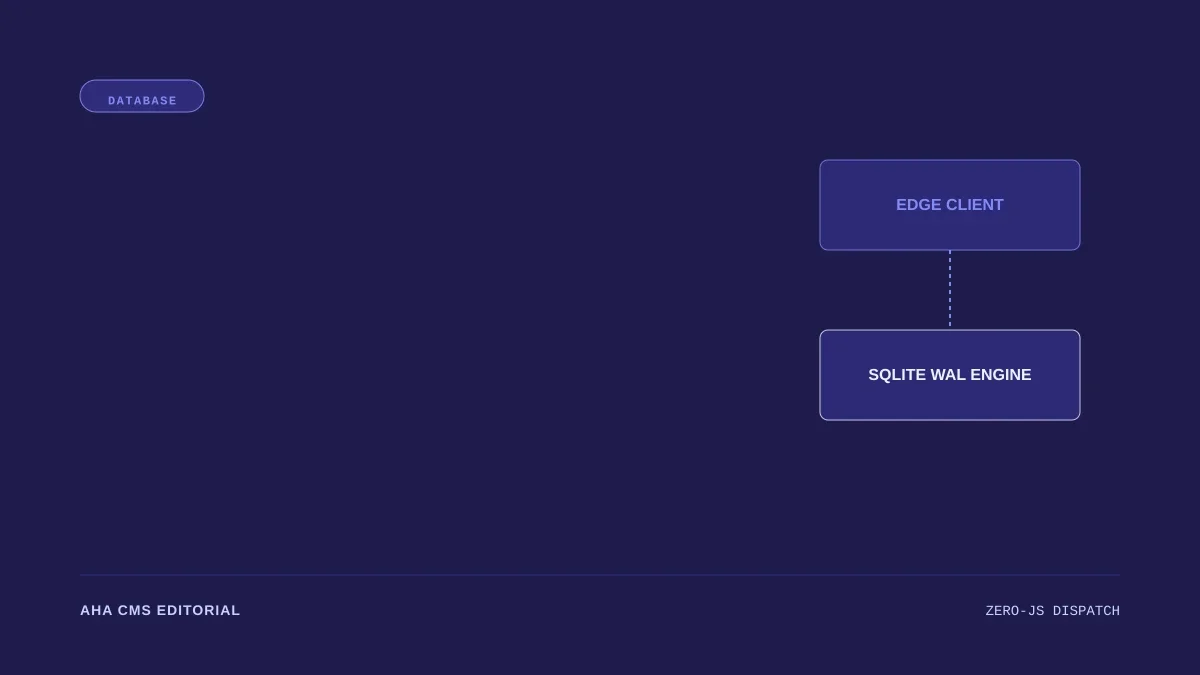
By default, SQLite uses a rollback journal where writers lock the entire database file. Enabling Write-Ahead Logging fundamentally alters this architecture by directing writes to a separate -wal log file.
How WAL Eliminates Read-Write Contention
- Concurrent Readers: Readers read committed database pages from the main DB file while consulting the WAL index (
-shm) for recent changes. - Continuous Writes: Writers append transactions to the WAL without blocking active readers.
- Zero Daemon Overhead: The operating system's virtual memory subsystem coordinates cache synchronization across processes.
// Enable WAL mode at database initialization
db.pragma('journal_mode = WAL');
db.pragma('synchronous = NORMAL');
This guarantees ACID compliance while handling high concurrency on a single machine.
Architecture & System Visual
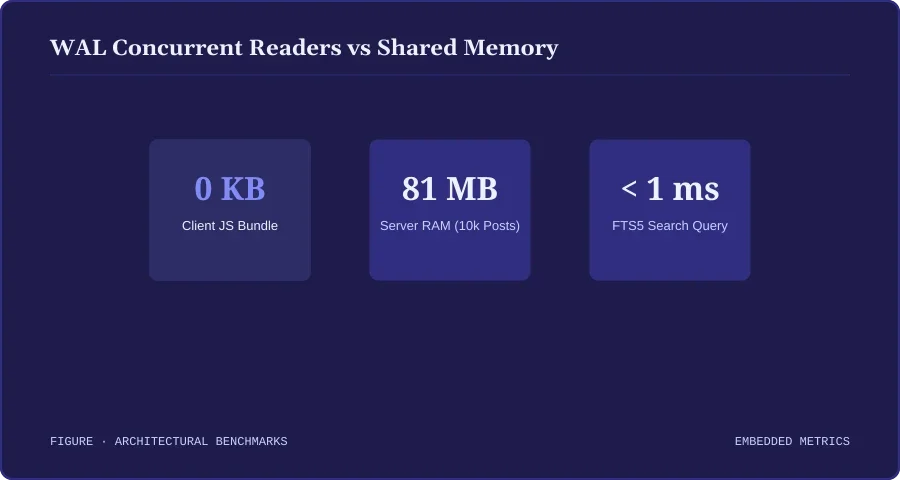
Figure 1: WAL Concurrent Readers vs Shared Memory. Rendered and served directly from local WebP storage.
Discussion
0Leave a Comment
No comments yet.
Be the first to share your thoughts on this article!