The Architecture of Restraint: Why 0KB JavaScript Wins
An inquiry into web performance, hydration overhead, and the enduring speed of semantic HTML delivery.

Modern web engineering has suffered from an obsession with hydration. Every paragraph, button, and static listicle is bundled into multi-megabyte JavaScript bundles, shipped across mobile networks, and parsed with heavy CPU execution just to paint text on a screen.
"Simplicity is prerequisite for reliability." — Edsger W. Dijkstra
The Real Cost of Client-Side Bloat
When readers visit a blog, their intent is fundamental: they came to read. Adding client-side virtual DOM trees and state managers degrades Core Web Vitals, wastes battery, and causes frustrating layout shifts.
Here is what zero-JS reader delivery looks like in practice:
- Static HTML + CSS over the wire: Sub-50KB total payload for the initial document.
- Instant cold paints: Content renders on the first paint before any scripts run.
- Guaranteed offline stability: No external script CDNs or third-party tracking scripts can break reader accessibility.
// Zero client hydration. Just semantic HTML.
export function renderPost(post: Post) {
  return `<article class="prose">${post.content_html}</article>`;
}
By embracing restraint, we deliver a reading experience that feels lighter, crisper, and genuinely respectful of the reader's time and device.
Architecture & System Visual
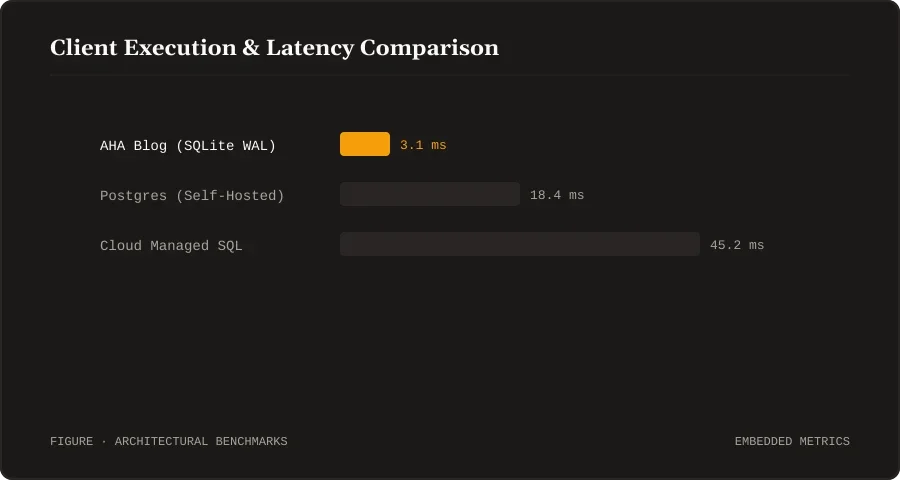
Figure 1: Client Execution & Latency Comparison. Rendered and served directly from local WebP storage.
Discussion
0Leave a Comment
No comments yet.
Be the first to share your thoughts on this article!